CBT for Depression
Depression is a mood disorder characterized by persistent sadness, emotional heaviness, low motivation, and loss of interest in activities that once felt meaningful.
It often affects:
-
Sleep and appetite
-
Energy and concentration
-
Confidence and self-worth
-
Daily functioning at work, school, or home
Depression changes how you think, feel, and act. It is more than “the blues,” and most people cannot simply snap out of it by trying to think positively.
When symptoms persist beyond two weeks and interfere with daily life, a person may meet criteria for Major Depressive Disorder, sometimes called clinical depression.
When life begins to narrow
Depression often creates a cycle.
Low mood leads to withdrawal. Withdrawal reduces rewarding experiences. Reduced engagement deepens low mood.
Activities that once felt manageable begin to feel heavy or pointless. Social connection decreases. Sleep becomes irregular. Motivation drops further.
Over time, life can begin to organize around conserving energy and avoiding effort, even though this avoidance unintentionally reinforces depression.
The result is not laziness or weakness. It is a learned behavioral pattern that requires structured intervention to shift.
Evidence-based treatment: CBT, ACT, and behavioral activation
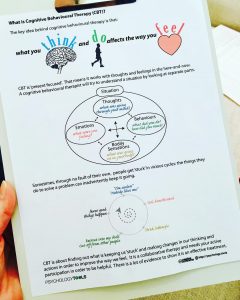
Cognitive Behavioral Therapy (CBT) is a gold-standard, evidence-based treatment for depression.
CBT for depression focuses on identifying and changing patterns of thinking and behavior that maintain low mood. A core component of CBT for depression is Behavioral Activation, a structured process of gradually increasing engagement in meaningful and reinforcing activities, even when motivation is low.
Behavioral Activation works by helping individuals:
-
Re-engage with valued activities
-
Rebuild routines and structure
-
Reduce avoidance and withdrawal
-
Increase contact with positive reinforcement
-
Restore a sense of momentum
Acceptance and Commitment Therapy (ACT) strengthens this work by building psychological flexibility. Rather than waiting to “feel better” before acting, ACT helps individuals clarify what matters to them and take committed action, even in the presence of low mood, doubt, or fatigue.
Together, CBT and ACT help you:
-
Step back from self-critical or hopeless thoughts
-
Reduce rumination
-
Increase behavioral follow-through
-
Reconnect with personal values
-
Build resilience in the face of emotional pain
Treatment is active and collaborative. Between-session practice is an essential part of change.
What about medication?
Some individuals with depression are prescribed antidepressant medication.
Medication can reduce symptoms, particularly in the short term. However, research suggests that long-term improvement — and prevention of future depressive episodes — is strengthened when individuals also learn new cognitive and behavioral skills.
CBT, ACT, and Behavioral Activation can be provided alone or in combination with medication. When therapy is paired thoughtfully with medication management, outcomes are often more durable than medication alone.
If you are working with a prescribing physician, we are happy to coordinate care — with your permission — to ensure an integrated treatment plan.
What are realistic goals for therapy?
The goal of depression treatment is not forced positivity. The goal is to reduce withdrawal, rebuild engagement, and help you move toward a life that feels meaningful, even when mood fluctuates.
Through structured, evidence-based therapy, individuals can restore energy, increase flexibility, and regain momentum in their daily lives.
Our licensed clinical psychologists and therapists provide depression treatment in Atlanta and Richmond and via telehealth throughout 42+ states.